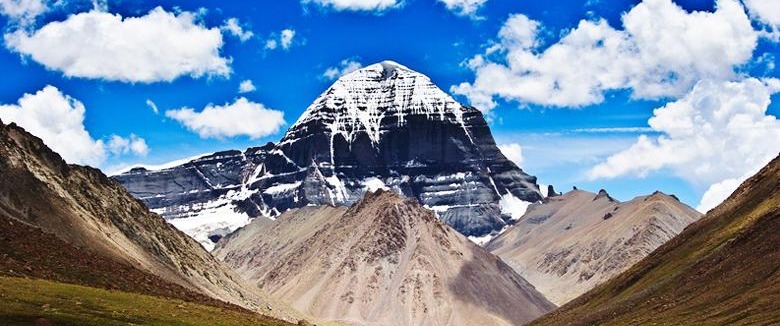
Mount Kailash Mansarovar Spiritual Journey
Trip at a glance
- Duration
- 13 days · 12 nights
- Trip type
- Cultural tour
- Difficulty
- Challenging
- Max altitude
- 5670
- Group size
- 16
Overview
Our Professional Yoga team and experience guides team offer memorable journey embark on a life-changing spiritual journey to the sacred Himalayas with the 13-day Mount Kailash Mansarovar Yatra, organized by Om Holidays Tour & Trek. This extraordinary pilgrimage takes you from the vibrant cultural heart of Kathmandu across the majestic Himalayan landscape of Nepal and Tibet to the divine presence of Mount Kailash and the sacred waters of Lake Mansarovar.Revered by Hindus, Buddhists, Jains, and followers of the Bon religion, Mount Kailash is considered one of the holiest mountains in the world. Believed to be the abode of Lord Shiva and Goddess Parvati in Hindu tradition, this magnificent mountain represents spiritual awakening, purity, liberation, and eternal peace.
Your journey begins in Kathmandu, where you prepare for the pilgrimage and visit sacred temples. Traveling through the historic Tatopani–China border, you enter Tibet and continue across the breathtaking Tibetan Plateau, passing through traditional settlements, dramatic mountain landscapes, and vast high-altitude valleys.Experience the profound spiritual energy of Lake Mansarovar, where pilgrims traditionally perform prayers, meditation, and sacred rituals. Witness the breathtaking beauty of Mount Kailash from Darchen, the gateway to the holy mountain's three-day Parikrama (Kora).
The sacred Kailash Kora is the spiritual heart of this journey. Walk beneath the towering north face of Mount Kailash, cross the challenging Dolma La Pass, and visit the sacred Gauri Kund while experiencing the extraordinary natural beauty of the Tibetan Himalayas.This pilgrimage is more than a journey through mountains. It is an opportunity to reconnect with your inner self, deepen your spiritual devotion, and experience one of the world's most meaningful sacred journeys.
Welcome to join with us this Yatra for an unforgettable pilgrimage to Mount Kailash and Lake Mansarovar, where faith meets the magnificent beauty of the Himalayas.
Trip highlights
-
✓
Sacred pilgrimage to holy Mount Kailash, revered by four major religions
-
✓
Visit the magnificent and spiritually significant Lake Mansarovar
-
✓
Complete the sacred three-day Kailash Parikrama (Kora)
-
✓
Experience breathtaking views of the north face of Mount Kailash
-
✓
Cross the challenging Dolma La Pass at approximately 5,630 m
-
✓
Visit sacred Gauri Kund, associated with Goddess Parvati
-
✓
Experience the spiritual atmosphere of Dirapuk and Zutulpuk monasteries
-
✓
Travel across the dramatic Tibetan Plateau and spectacular Himalayan landscapes
-
✓
Explore the cultural and spiritual heritage of Kathmandu
-
✓
Experience traditional Tibetan culture, monasteries, and remote mountain settlements
-
✓
Enjoy a meaningful spiritual journey with experienced guides and organized logistical support
-
✓
Discover inner peace, devotion, and spiritual connection in the heart of the Himalayas
Daily itinerary
Arrival meet-and-greet at Tribhuvan International Airport (TIA) in Kathmandu by an Om Holidays Tour & Trek team representative.
Private transfer to your hotel accommodation in Kathmandu to check in, unpack, and recover from your flight.
Evening meeting with your tour leader and Tibetan logistics coordinator for a welcome orientation.
Preliminary overview of pilgrimage protocol, group visa status, packing guidelines, and high-altitude safety guidelines.
Traditional welcome dinner featuring vegetarian Nepali cuisine and overnight stay in Kathmandu.
Wholesome breakfast followed by a guided pilgrimage to seek blessings for a safe and spiritually fruitful yatra:
Pashupatinath Temple: One of the holiest Hindu shrines dedicated to Lord Shiva along the sacred Bagmati River. Participate in morning prayers, receive blessings from priests, and absorb the spiritual energy.
Budhanilkantha Temple: Darshan of the colossal, monolithic 5th-century reclining statue of Lord Vishnu (Jalashayan) floating in a sacred cosmic pond.
Afternoon return to the hotel for document verification, passport checks for Chinese Group Visa issuance, and distribution of duffels and down gear.
Comprehensive technical and high-altitude health briefing conducted by the lead yoga instructor and mountain guide.
Dinner and overnight stay in Kathmandu.
Early morning departure from Kathmandu by private transport, driving northeast along the Araniko Highway corridor.
Travel through the mid-hill river valleys of the Sun Koshi and Bhote Koshi, observing terraced hillsides, cascading waterfalls, and rural settlements.
Arrive at Kodari/Tatopani on the Nepal side to complete customs and immigration departure formalities.
Cross the Sino-Nepal Friendship Bridge into Zhangmu Port on the Chinese side to clear entry immigration, biometric screening, and Tibet Travel Permit checks.
Meet your licensed local Tibetan guide, transport driver, and support crew with comfortable tourist vehicles.
Drive up the winding Matsang Tsangpo gorge to reach the Tibetan mountain town of Nyalam (3,750 m).
Settle into your lodge, hydrate with warm water, and rest.
Dinner and overnight stay in Nyalam.
Dedicated acclimatization day in Nyalam to help your body adapt naturally to the thinning atmospheric pressure before entering the high plateau.
Morning gentle yoga stretches and mindful pranayama (conscious breathing) to expand lung capacity and promote oxygen saturation under the guidance of your yoga instructor.
Enjoy an easy, leisurely conditioning walk around town and the surrounding rocky hillsides.
Visit Milarepa’s Cave near the outskirts of town (if local road access permits).
Restful afternoon focusing on hydration, pulse-oximeter health monitoring, and relaxation.
Nourishing vegetarian meals and second overnight stay in Nyalam.
Morning breakfast before embarking on the ascent onto the expansive Tibetan Plateau.
Cross the high-altitude passes of Lalung La (5,120 m) and Tong La, offering views of Shishapangma (8,027 m) and the northern Himalayan mountain barrier.
Drive across open plateau valleys flanking emerald glacial lakes (including Pelku Tso) and vast pasturelands where nomadic herders graze yaks.
Cross the sacred Yarlung Tsangpo (Brahmaputra) River via bridge.
Arrive in Saga (4,640 m), the central commercial and transit hub for the Kailash Mansarovar route.
Check into your hotel, rehydrate, dine on hot vegetarian meals, and rest.
Overnight stay in Saga.
Early morning departure heading westward along China National Highway 219.
Drive through the desert dunes and river plains of Dongba and Paryang.
Ascend and cross the prayer-flag adorned summit of Mayum La Pass (5,216 m), the western territorial threshold of the Ngari Prefecture.
Catch your first view of the turquoise waters of Lake Mansarovar (4,590 m) and the south face of Mount Kailash rising in the distance.
Drive to the shores of the sacred lake (near Hor Qu or Chiu Gompa).
Spend a serene late afternoon by the water performing quiet contemplation, silent meditation, and prayers.
Dinner and overnight stay at a local guesthouse near Lake Mansarovar.
Pre-dawn wake-up to experience the spiritual ambiance of Lake Mansarovar at sunrise, with reflections of Mount Kailash and Mount Gurla Mandhata across the water.
Perform traditional morning rituals, puja, meditation, and ritual purification (snan) in designated permissible shoreline areas in accordance with environmental regulations.
Visit Chiu Gompa (Bird Monastery), perched on a rocky crag overlooking the lake, featuring a sacred meditation cave of Guru Padmasambhava.
Wholesome lunch followed by a scenic 45-minute drive (approx. 35 km) across the Barkha plains to Darchen (4,670 m), the base town of Mount Kailash.
Organize your personal daypack, finalize horse/yak hire arrangements with local handlers if needed, and receive a complete briefing for the 3-day circumambulation.
Hot dinner and overnight stay at a hotel in Darchen.
Early breakfast before taking a short 15-minute drive from Darchen to Yamadwar (Tarboche / Gate of Salvation).
Pass through the auspicious portal of Yamadwar, symbolically shedding past karma and attachments, to begin the 52-km foot circumambulation.
Trek along the western Lha Chu river canyon along a gentle, steady uphill trail lined with prayer wheels and mani stones.
Enjoy close-up views of the sheer granite cliffs and waterfalls lining the valley walls.
Arrive at Dirapuk (4,900 m) in the mid-to-late afternoon, positioned directly opposite the sheer, snow-capped North Face of Mount Kailash.
Approximate trekking time: 5–7 hours (approx. 12–14 km).
Evening meditation facing the sacred north face, hot vegetarian soup/dinner, and overnight stay at a guesthouse in Dirapuk.
Pre-dawn start with headlamps for the most physically demanding and spiritually elevated day of the yatra.
Ascend steep moraine switchbacks past the Shiva-tsal burial ground, where pilgrims symbolically leave behind an item of clothing to mark spiritual rebirth.
Reach the prayer-flag covered crest of Dolma La Pass (5,630 m / 18,471 ft), the pinnacle altitude of the journey, offering a place of prayer and devotion.
Descend along the steep, rocky southeastern path, pausing to view the emerald-green holy waters of Gauri Kund (Lake of Compassion).
Continue down into the eastern Zhong Chu valley, following flat riverside trails past grassy meadows.
Arrive at Zutulpuk Monastery (4,790 m), celebrated for the sacred meditation cave of the Tibetan yogi Milarepa.
Approximate trekking time: 8–10 hours (approx. 20–22 km).
Nourishing dinner and well-deserved rest at a local guesthouse in Zutulpuk.
Morning breakfast before commencing the final, gentle stage of the Kailash Kora.
Follow the flat trail descending through the canyon of the Zhong Chu river, passing carved cliffs and colored stone shrines.
Reach the waiting transport vehicle rendezvous point near Darchen, successfully concluding the holy circumambulation.
Approximate trekking time: 3–4 hours (approx. 8–10 km).
Gather with your group to celebrate the completion of the Parikrama.
Rejoin the main highway for the return overland drive eastward across the high plateau past Paryang.
Arrive back in Saga (4,640 m) for hot tea, a celebratory dinner, and a comfortable night's rest in your hotel.
Overnight stay in Saga.
Wholesome breakfast before departing Saga on the southern highway.
Retrace your route across the expansive plateau, enjoying views of the northern slopes of the central Himalayas.
Drive past Lake Pelku Tso and cross high passes as the vast plains give way to rugged mountain valleys.
Descend toward the border town of Nyalam (3,750 m).
Relax in the lower altitude, share reflections from the pilgrimage, and pack gear for the border crossing.
Dinner and overnight stay in Nyalam.
Early breakfast followed by the scenic drive down the gorge to Zhangmu Port on the Chinese side of the border.
Complete Chinese exit immigration and customs formalities.
Cross the Sino-Nepal Friendship Bridge back to Kodari / Tatopani in Nepal, completing Nepal arrival immigration.
Reboard your private Nepalese tourist vehicle for the journey through Sindhupalchok and Kavre districts along the Araniko Highway.
Arrive in Kathmandu in the late afternoon or early evening and check into your hotel.
Enjoy a hot shower, rest, and celebrate the completion of the pilgrimage with a farewell dinner.
Overnight stay in Kathmandu.
Wholesome breakfast at your hotel in Kathmandu.
Free morning time for last-minute souvenir shopping around Thamel or quiet spiritual reflection.
Room check-out and scheduled private transfer to Tribhuvan International Airport (TIA) for your onward international flight.
Depart carrying the spiritual blessings and memories of Mount Kailash and Lake Mansarovar with Om Holidays Tour & Trek.
Important notes
Things to know before you go to Mount Kailash Spiritual Journey this part is important to put in this program
1. Passport, Visa, and Travel Permits
Mount Kailash and Lake Mansarovar are located in Tibet, an autonomous region of China.
Before departure, ensure that you have:
• A valid passport with sufficient validity.
• The required Chinese visa or group visa, depending on your nationality and travel arrangements.
• Tibet Travel Permit.
• Other necessary permits for the Kailash and Mansarovar region.
• Nepal entry visa, if applicable.
• All required travel documents confirmed before departure.
Important: Permit requirements differ according to nationality and travel route. Your tour operator should confirm the required documents before you begin your journey.
2. High Altitude and Acclimatization
The Mount Kailash journey takes you through some of the highest inhabited and remote regions of the Himalayas.
Important elevations include:
Destination | Approximate Altitude
Lake Mansarovar | 4,590 m
Darchen | 4,670 m
Dirapuk Monastery | 5,080 m
Dolma La Pass | 5,630 m
At these elevations, oxygen levels are significantly lower than at sea level.
Travelers may experience:
• Headache
• Dizziness
• Nausea
• Loss of appetite
• Shortness of breath
• Difficulty sleeping
Proper acclimatization is essential. Follow your guide's instructions and never rush the journey.
Severe altitude sickness can be life-threatening. If symptoms become serious, descend to a lower altitude and seek medical assistance immediately.
3. Physical Fitness and Medical Preparation
The Mount Kailash pilgrimage is physically demanding, particularly for travelers undertaking the three-day Kailash Parikrama.
Before departure:
• Consult your doctor for a complete medical examination.
• Begin regular walking and light hiking several weeks before the journey.
• Practice gentle yoga, stretching, and breathing exercises.
• Inform your tour operator about any existing medical conditions.
• Carry all prescribed medications.
The Kailash Parikrama involves high-altitude walking, steep ascents, and challenging terrain.
Even physically fit travelers can experience altitude sickness. Medical preparation is therefore essential.
4. Best Time to Visit Mount Kailash and Mansarovar
The most suitable period for the Mount Kailash Mansarovar pilgrimage is generally:
May to September
Month | Travel Conditions
May | Spring scenery and cooler weather
June | Popular pilgrimage season
July | Warmer conditions, possible rainfall
August | Pleasant daytime temperatures, possible rain
September | Cooler weather and autumn scenery
Weather conditions can change rapidly in the Tibetan Plateau.
The Saga Dawa Festival is an important Buddhist religious celebration associated with Mount Kailash and is a particularly meaningful time for spiritual travelers.
However, festival periods can be crowded, so advance planning is recommended.
5. What to Pack for the Spiritual Journey
Packing appropriate clothing and equipment is essential for comfort and safety.
Essential Clothing:
• Warm down jacket
• Thermal innerwear
• Waterproof jacket and trousers
• Comfortable trekking pants
• Woolen socks
• Gloves and warm hat
• Comfortable trekking boots
Essential Equipment:
• Sunglasses with UV protection
• Sunscreen and lip balm
• Reusable water bottle
• Personal first-aid kit
• Headlamp or flashlight
• Trekking poles
• Small daypack
• Sleeping bag suitable for cold conditions
Personal Items:
• Passport and travel documents
• Personal medications
• Basic toiletries
• Cash in suitable currencies
• Mobile phone and power bank
Carry enough essential medication for the entire journey, including extra supplies in case of delays.
6. Understand the Kailash Parikrama
The Kailash Parikrama, also known as Kora, is the sacred circumambulation of Mount Kailash.
The traditional route takes approximately three days.
The major sections include:
Day 1: Darchen to Dirapuk
• Begin the sacred walk around Mount Kailash.
• Enjoy views of the western and northern faces of the mountain.
• Overnight near Dirapuk Monastery.
Day 2: Dirapuk to Zuthulpuk
• Cross the challenging Dolma La Pass.
• Experience the spiritual significance of the highest point.
• Descend toward Zuthulpuk.
Day 3: Zuthulpuk to Darchen
• Complete the final section of the Parikrama.
• Return to Darchen.
The full circuit is approximately 52–53 km, depending on the route and measurement.
Travelers who are unable to complete the Parikrama due to health or fitness concerns should discuss alternative arrangements with their tour operator.
7. Spiritual and Cultural Respect
Mount Kailash is sacred to several religious traditions.
During your journey:
• Respect local Tibetan customs and religious practices.
• Walk clockwise around Mount Kailash, following the traditional pilgrimage route.
• Respect monasteries, prayer flags, and sacred monuments.
• Ask permission before photographing people or religious ceremonies.
• Avoid littering around Lake Mansarovar and Mount Kailash.
• Follow your guide's instructions at sacred sites.
The journey is not only about reaching a destination. It is also about spiritual reflection, devotion, and respect for the Himalayan environment.
8. Accommodation and Food
Accommodation in the remote Kailash region is generally basic compared with hotels in Kathmandu.
Travelers should be prepared for:
• Simple guesthouses and lodges.
• Shared or basic accommodation in some locations.
• Limited hot water.
• Basic vegetarian and non-vegetarian meals, depending on availability.
• Limited electricity and internet connectivity.
During the pilgrimage, comfort may be limited, especially in remote areas.
A flexible mindset and a willingness to adapt will make your journey more enjoyable.
9. Travel Insurance and Emergency Preparedness
Travel insurance is an important requirement for the Mount Kailash journey.
Ensure that your insurance covers:
• High-altitude travel.
• Emergency medical treatment.
• Helicopter evacuation, where available.
• Medical repatriation.
• Trip delays and additional accommodation expenses.
Confirm the altitude limits and evacuation coverage with your insurance provider.
Emergency evacuation in remote Tibet may be difficult and can be delayed by weather conditions.
What's included
-
✓
Private arrival and departure transfers between Tribhuvan International Airport (TIA) and your hotel in Kathmandu
-
✓
3 nights of standard hotel accommodation in Kathmandu on a twin/double sharing basis
-
✓
9 nights of accommodation in Tibet, including quality hotels in Saga and Darchen and standard guesthouses/lodges in Nyalam, Lake Mansarovar, Dirapuk, and Zutulpuk
-
✓
Full-board pure vegetarian meals (breakfast, lunch, and dinner) throughout the journey in Tibet
-
✓
Hot tea and boiled drinking water during the journey in Tibet
-
✓
Private tourist transportation for all transfers and sightseeing in Nepal, including Kathmandu–Tatopani border round-trip
-
✓
Authorized and comfortable tourist transportation in Tibet (air-conditioned bus or 4WD), including experienced drivers, fuel, tolls, and maintenance
-
✓
Official Tibet Travel Permit (TTP) processed through the Tibet Tourism Bureau
-
✓
Chinese Group Visa processing assistance through the Chinese Embassy in Kathmandu
-
✓
Ngari Prefecture Alien's Travel Permit, Military Border Permit, and Foreign Affairs permits
-
✓
Mount Kailash and Lake Mansarovar Conservation Entry Permits
-
✓
Government-certified English/Hindi-speaking local Tibetan cultural guide throughout Tibet
-
✓
Experienced Nepali tour leader and yoga/meditation instructor to coordinate group wellness and logistics
-
✓
Dedicated kitchen staff and cook convoy for groups, with dietary sanitation arrangements on the plateau
-
✓
Complete logistical arrangements for the three-day Mount Kailash Kora (Darchen–Dirapuk–Zutulpuk–Darchen)
-
✓
Daily pulse oximeter monitoring for blood oxygen saturation (SpO2) and heart rate
-
✓
Emergency medical first-aid kit and group emergency supplemental oxygen cylinders
-
✓
All applicable Nepal and Tibet government taxes, border paperwork charges, and agency service fees
What's excluded
-
✕
International flight tickets to and from Kathmandu
-
✕
Nepal tourist entry visa fees, payable upon arrival at Tribhuvan International Airport (TIA)
-
✕
Mandatory comprehensive travel and medical insurance with high-altitude emergency helicopter rescue coverage (valid up to 6,000 m)
-
✕
Personal horse/pony, yak, or riding porter hire fees during the three-day Kailash Parikrama (locally arranged through the official union desk at Darchen/Yamadwar, if needed)
-
✕
Personal medications, medical consultations, and specialized oxygen canisters beyond the group's emergency oxygen reserves
-
✕
Personal expenses, including laundry, international phone calls, internet/Wi-Fi vouchers, hot shower fees at high-altitude guesthouses, and bottled beverages
-
✕
Tips and gratuities for the Tibetan guide, drivers, Nepali Sherpa team, and hotel/lodge staff
-
✕
Additional lodging, meals, transportation, or re-routing expenses caused by border closures, landslides, political restrictions, flight delays, bad weather, or personal illness